


-

Add: HeBei ShengShi HongBang Cellulose Technology CO.,LTD.
-

Email
13180486930@163.com -

CONTACT US
+86 13180486930




How to Make HPMC Gel A Step-by-Step Guide Hydroxypropyl methylcellulose (HPMC) is a versatile polymer widely used in various applications, including pharmaceuticals, cosmetics, and food products. One of the most common uses of HPMC is to create gels, which can serve as thickening agents, stabilizers, or film-forming agents. In this article, we will provide a detailed guide on how to make HPMC gel, ensuring that you have all the information you need to successfully create your own gel. Materials Needed Before getting started, it’s essential to gather all the materials you will need 1. HPMC Powder Available in various grades, choose one that fits your intended application. 2. Distilled Water Using distilled water ensures that no impurities interfere with the gel formation. 3. Heating Source A hot plate or stovetop for heating the water. 4. Beaker or Container For mixing the ingredients. 5. Stirring Tool A whisk or a magnetic stirrer for thorough mixing. 6. pH Meter or Strips Optional but useful for adjusting the pH if necessary. 7. Preservatives (Optional) If you intend to store the gel for an extended period, consider adding a preservative. Step-by-Step Instructions Step 1 Prepare the Water Start by measuring the amount of distilled water you will need. The quantity of water will depend on the desired concentration of the HPMC gel. Typically, a concentration of 1-3% HPMC is used, but you can adjust it according to your requirements. Pour the measured water into a beaker or container. Step 2 Heat the Water Gently heat the distilled water using your heating source. The temperature should be around 60-70°C (140-158°F), which helps dissolve the HPMC more effectively. Do not bring the water to a boil, as excessive heat might degrade the polymer. Step 3 Mix HPMC with Water how to make hpmc gel Slowly add the HPMC powder to the heated water while continuously stirring. It’s crucial to sprinkle the HPMC powder evenly to prevent clumping. Use a whisk or a magnetic stirrer to create a homogeneous mixture. Continue stirring until the powder is fully dissolved, and the mixture becomes viscous. Step 4 Allow to Cool and Thicken Once the HPMC is fully dissolved, remove the beaker from the heat source and allow the solution to cool. As it cools, the gel will thicken further. This process may take some time, so be patient. You can stir occasionally to ensure even thickening. Step 5 Adjust pH (Optional) If necessary, check the pH of the gel using a pH meter or strips. HPMC gels typically perform best at a neutral pH (around 7). If you find that the pH is too high or low, you can adjust it by adding small amounts of citric acid (to lower pH) or sodium hydroxide (to raise pH). Stir well after each adjustment. Step 6 Add Preservatives (If Needed) If you plan to store the HPMC gel for an extended period, consider adding a preservative to prevent microbial growth. Follow the manufacturer's instructions regarding the appropriate type and quantity of preservative to use. Step 7 Store the Gel Properly Transfer the HPMC gel into an airtight container. Store it in a cool, dry place away from direct sunlight. If stored correctly, HPMC gel can last for several months. Conclusion Creating HPMC gel at home is a straightforward process that involves heating water, dissolving the HPMC powder, and allowing it to cool and thicken. With just a few ingredients and some patience, you can produce a high-quality gel suitable for various applications. Whether you are a hobbyist or a professional, understanding how to make HPMC gel can be a useful skill in your toolkit. Enjoy experimenting with your gel, and don’t hesitate to adjust the formulation to meet your specific needs!
- 40000tons

Production
- 20+years

Experience
- 5000+㎡

Acreage

-
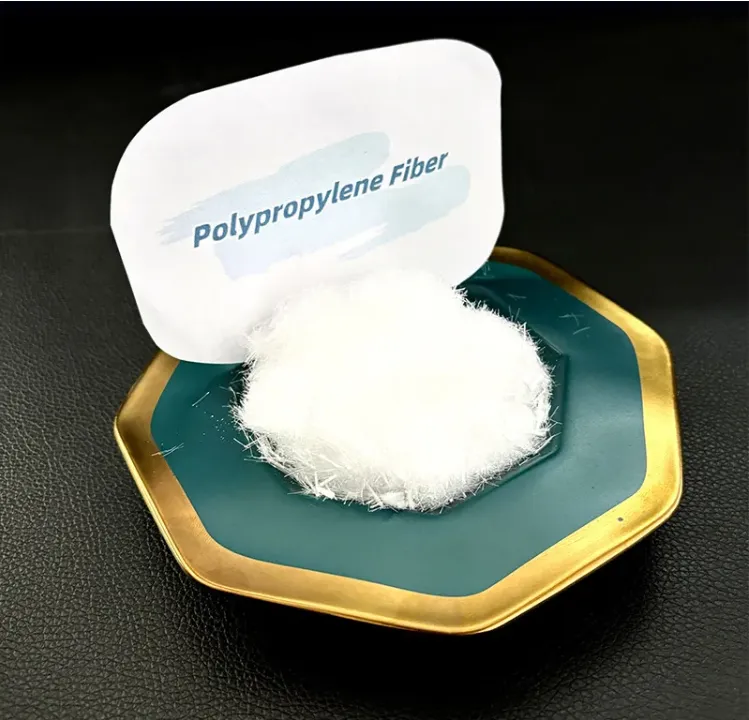
The Growing Importance of PP Fiber Concrete in Modern Construction In the ever-evolving landscape of construction materials, polypropylene (PP) fiber concrete has emerged as a noteworthy innovation that enhances the performance of traditional concrete. This article explores the significance of PP fiber concrete, its properties, applications, and the benefits it brings to modern construction. Understanding PP Fiber Concrete PP fiber concrete is a composite material that incorporates polypropylene fibers into traditional concrete mix. These fibers, typically ranging from 0.5 to 1.5 inches in length, are designed to improve the structural integrity of the concrete. They act as reinforcement, providing a secondary layer of strength that helps to mitigate various forms of damage that can occur during curing and throughout the life of the structure. Key Properties of PP Fiber Concrete One of the most notable properties of PP fiber concrete is its ability to reduce plastic shrinkage cracking. During the curing process, traditional concrete is susceptible to environmental factors such as temperature fluctuations and evaporation of moisture, which can lead to stress and cracks. The integration of polypropylene fibers helps to control these cracks by providing a linking mechanism, which allows stress to be distributed more evenly throughout the concrete. In addition to crack resistance, PP fiber concrete also offers enhanced toughness and impact resistance. The fibers absorb and dissipate energy when forces are applied, making it suitable for applications where durability is paramount. Moreover, the use of PP fibers improves the concrete's resistance to freeze-thaw cycles, making it an ideal choice for structures exposed to varying climatic conditions. Applications of PP Fiber Concrete The versatility of PP fiber concrete lends itself to a wide range of applications across various sectors of the construction industry. It is commonly used in - Industrial Flooring Due to its high durability and resistance to impact, PP fiber concrete is often utilized for industrial flooring where heavy machinery operates. The fibers help to maintain the structural integrity even under heavy loads. pp fiber kongkreto - Pavements and Roads The use of PP fiber in pavement designs has shown to improve the longevity of roads and pavements. It helps reduce wear and tear caused by traffic, leading to lower maintenance costs over time. - Precast Elements In the production of precast concrete components such as walls, beams, and slabs, incorporating PP fibers can enhance performance and reduce the risk of cracking during casting and transportation. - Water Retaining Structures PP fiber concrete is also beneficial in the construction of water tanks and reservoirs, as it minimizes the risk of leakage that can arise from cracking. Benefits of Using PP Fiber Concrete The adoption of PP fiber concrete presents multiple advantages beyond enhanced performance. Firstly, it can lead to significant cost savings over the life cycle of a structure. By reducing the incidence of cracking and the need for repairs, construction companies can optimize their budgets and allocate resources more efficiently. Secondly, the use of PP fibers can contribute to more sustainable construction practices. A lower incidence of repair and maintenance means that materials are conserved, and waste is minimized, aligning with environmentally friendly building standards. Lastly, the integration of PP fibers into concrete mixes is straightforward and does not require specialized equipment. This ease of incorporation allows for its adoption in various construction scenarios without significant changes to existing processes. Conclusion As the construction industry continues to face challenges related to durability, sustainability, and cost efficiency, the emergence of materials like PP fiber concrete represents a significant advancement. Its ability to enhance concrete's performance while providing practical solutions for modern construction needs positions it as a valuable asset in the quest for more resilient infrastructure. With the ongoing research and development in this field, PP fiber concrete is set to play a crucial role in shaping the future of construction.
-
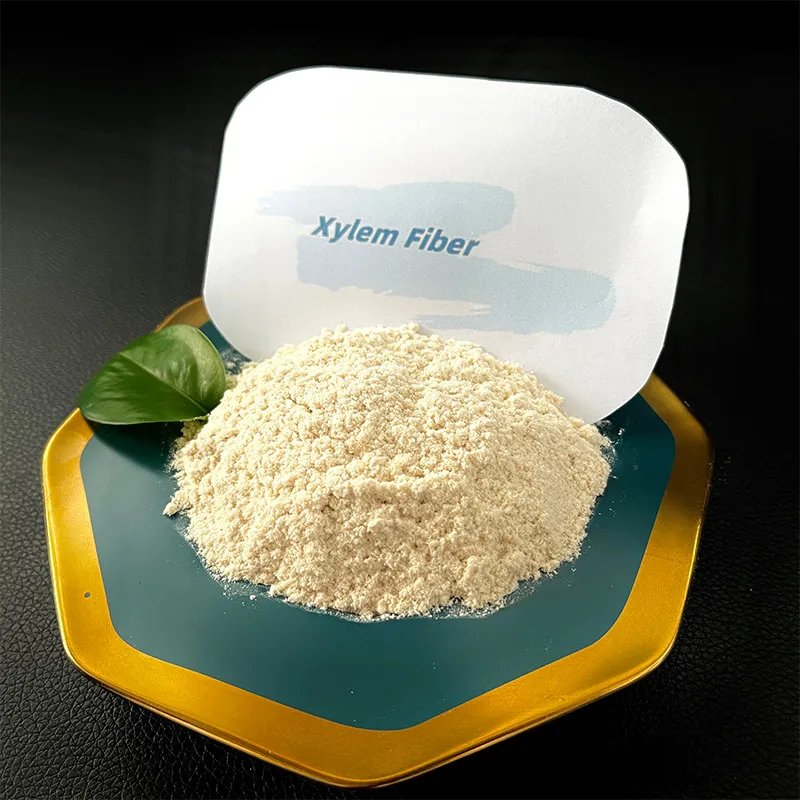
Understanding Confix PP Fiber A Breakthrough in Material Science In the quest for advanced materials that can cater to a myriad of applications, Confix PP fiber has emerged as a significant player in the industry. This innovative product is synonymous with strength, versatility, and sustainability, making it an appealing choice for manufacturers and consumers alike. In this article, we will explore what Confix PP fiber is, its properties, applications, and advantages, shedding light on why it stands out in the competitive landscape of synthetic fibers. What is Confix PP Fiber? Confix PP fiber is a specialized polypropylene fiber that has been engineered for enhanced performance in various applications. Polypropylene, a thermoplastic polymer, is known for its lightweight, chemical resistance, and thermal stability. The Confix designation typically signifies that this particular fiber has been treated or designed to provide additional benefits, such as improved tensile strength, durability, and resistance to moisture, making it suitable for a broader range of uses. One of the main advantages of polypropylene as a base material is its high resistance to wear and tear, along with its non-toxic and recyclable nature. Confix PP fibers capitalize on these inherent qualities while also introducing innovations that optimize functionality and adaptability across industries. Key Properties of Confix PP Fiber The qualities that define Confix PP fibers are pivotal to their widespread adoption. Here are some key properties 1. Durability Confix PP fibers are designed to withstand harsh conditions. This durability reduces the frequency of replacements, a crucial factor for industries seeking long-term solutions. 2. Water Resistance Unlike many natural fibers, polypropylene does not absorb water, making Confix PP fibers ideal for applications in humid conditions or areas prone to moisture. 3. Lightweight The low density of polypropylene makes Confix fibers exceptionally light, which benefits transport and handling, particularly in industries such as textiles, automotive, and construction. 4. Chemical Resistance Confix PP fibers exhibit excellent resistance to a wide range of chemicals, including acids and alkalis, making them suitable for diverse applications, including those in chemical processing. 5. Versatility These fibers can be manufactured in various forms, including filaments and non-woven fabrics, allowing for extensive applicability in different sectors such as apparel, home textiles, and industrial applications. Applications of Confix PP Fiber confix pp fiber The versatility of Confix PP fibers allows them to be utilized in numerous applications. Some notable uses include - Textiles Confix PP fibers are used in the production of clothing, carpets, and upholstery fabrics. Their durability and stain resistance make them ideal for both casual wear and high-performance environments. - Automotive Industry These fibers are increasingly used in the automotive sector, where lightweight materials can lead to improved fuel efficiency. Confix PP fibers are employed in car interiors, insulation, and even body panels. - Construction In construction, Confix PP fibers can reinforce concrete and other materials, enhancing their strength and durability. They are also used in geotextiles for soil stabilization and erosion control. - Geosynthetics The fiber's resistance to moisture and erosion makes it suitable for environmental applications such as drainage systems, landfill liners, and soil containment. Advantages of Using Confix PP Fiber The advantages of Confix PP fiber are multifaceted - Cost-Effectiveness Although the initial investment in advanced fibers may be higher than traditional materials, their longevity and performance can lead to lower overall costs in the long run. - Sustainability As industries shift towards more sustainable practices, Confix PP fibers align with eco-friendly initiatives. They are recyclable, reducing environmental impact. - Innovation The ongoing research and development in fiber technology enhance the performance of Confix PP fibers, ensuring they remain at the forefront of material science. Conclusion In conclusion, Confix PP fiber represents a significant advancement in the field of synthetic materials. Its properties of durability, versatility, and sustainability make it a vital choice for various applications across multiple industries. As demand for high-performance, environmentally responsible materials continues to rise, Confix PP fibers are poised to play an essential role in shaping the future of manufacturing and construction. Understanding and leveraging the capabilities of Confix PP fiber can lead to innovative solutions that meet the challenges of tomorrow.
advantages
-

200000 Viscosities
Excellent product
We can produce pure products up to 200,000 viscosities
-

40000 tons
High yield
We don’t stop production all year round, and the annual output can reach 40,000 tons
-

24 hours
Quality service
We provide 24-hours online reception service, welcome to consult at any time
———— Inquiry Form
Schedule A services
-
 what_is_hpmc_in_eye_drops
Oct . 25, 2025
Innovative material engineering is transforming industrial textiles, and strategic blending of fibre -
 hpmc_medical_center
Oct . 25, 2025
Hydroxypropyl Methylcellulose E5, often referred to as HPMC E5, stands as a critical component in th -
 hpmc_e15_viscosity
Oct . 25, 2025
The Versatility and Applications of Polyvinyl Chloride Powder Polyvinyl chloride (PVC) is one of the


